
Arthritis: Managing Flare-Ups and Living Well
January 12, 2026Arthritis affects millions of adults, causing joint pain, stiffness, and swelling that can sometimes feel overwhelming. But with the right strategies, flare-up management, and guidance from your healthcare team, it’s possible to live an active, fulfilling life without letting arthritis hold you back.

Understanding Arthritis and Its Triggers
Arthritis isn’t a single condition; it’s a term for joint inflammation and pain. The most common types include:
- Osteoarthritis (OA): Wear-and-tear arthritis that affects cartilage over time.
- Rheumatoid Arthritis (RA): An autoimmune form where the body attacks the joints.
- Psoriatic Arthritis: Often linked with psoriasis, causing joint inflammation.
Common triggers for arthritis flare-ups include:
- Overuse or repetitive movements of affected joints
- Stress or emotional strain
- Weather changes, especially cold or damp conditions
- Poor sleep or fatigue
- Infections or illness
Identifying your personal triggers is key to preventing flare-ups.
Managing Pain and Reducing Flare-Ups
Your primary care provider (PCP) or rheumatologist can help develop a treatment plan, which may include:
- Over-the-counter pain relievers or anti-inflammatories
- Prescription medications for inflammation or disease progression
- Physical therapy referrals to maintain joint mobility
- Avoid prolonged repetitive motions
- Use supportive braces or splints when necessary
- Alternate tasks to reduce strain on affected joints
- Practice proper body mechanics when lifting or bending
Exercise may sound counterintuitive, but gentle movement helps reduce stiffness, strengthens muscles around joints, and improves overall function:
- Low-impact activities like swimming, walking, or cycling
- Stretching routines to maintain flexibility
- Strength training to support joints and prevent injury
A diet that supports overall health can also help manage inflammation:
- Include omega-3-rich foods like salmon, walnuts, and flaxseed
- Eat plenty of fruits and vegetables for antioxidants
- Limit processed foods, excess sugar, and saturated fats
- Stay hydrated to support joint lubrication
- Prioritize rest during flare-ups
- Practice stress-reducing activities like meditation or gentle yoga
- Maintain a healthy weight to reduce joint strain
- Track flare patterns to identify triggers and effective coping strategies
Why Early Treatment Matters
Early diagnosis and intervention can prevent joint damage, reduce pain, and maintain mobility. Don’t wait until symptoms become severe; your PCP can:
- Evaluate your joints and overall health
- Order imaging or lab tests for an accurate diagnosis
- Coordinate care with specialists like rheumatologists or physical therapists
- Create a personalized plan to manage flare-ups and prevent complications
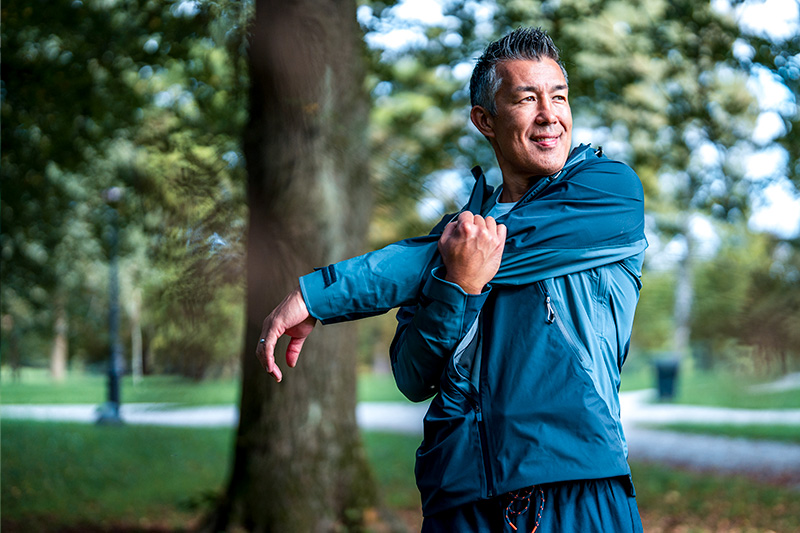
🌟 Living an Active, Fulfilling Life with Arthritis 🌟
Arthritis doesn’t have to define your life. By understanding triggers, protecting your joints, staying active, eating a balanced diet, and working closely with your healthcare team, you can maintain independence, mobility, and quality of life.
Your St. Mary’s primary care team is here to support you, offering guidance, care coordination, and encouragement so you can continue doing the things you love comfortably and confidently.